The Accra resident who never opened a bank account
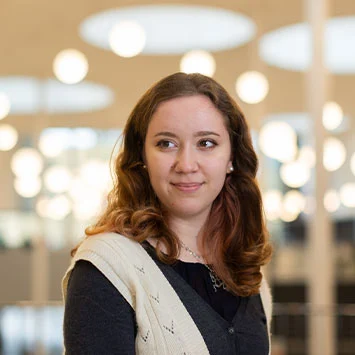

Kwame grew up watching his parents deal with banks and found the experience unpersuasive. Long queues, minimum balance requirements, fees that appeared without explanation, and a general sense that the institution was doing you a favour by holding your money. When he started earning his own income from freelance work around age twenty, he decided to skip the whole thing.
His clients pay him in USDT. His MTN mobile data comes from a top up bought in USDT on Cryptorefills. His Netflix subscription runs off a gift card, paid the same way. When he orders food, the platform accepts mobile money, which he funds from USDT. There is no bank in this chain anywhere.
People occasionally ask him how he manages without one. His answer is usually that the question assumes a bank makes things easier, and in his experience the opposite has been true.
Cash still exists in his life. Markets, transport, things bought from people who are not set up for digital payments. For those he converts a small amount of USDT into cedis on a peer-to-peer basis when needed. But it is a fraction of his overall spending, and it is getting smaller as more vendors around him accept mobile money.
What Kwame's setup illustrates is that the unbanked framing slightly misses the point. He isn't excluded from financial infrastructure. He chose a different one. USDT as a wallet, mobile money as a local spending layer, Cryptorefills as the bridge between the two. That's a complete financial life, and it runs without a bank account as a prerequisite.
He does think about what happens as he earns more. Larger sums, property, anything that requires formal financial history will probably require some engagement with a bank eventually. But at 28, on a freelance income that arrives reliably in USDT and covers what he needs, that question remains somewhere in the future.
For now the setup works, and he sees no reason to change it. The bank queue his parents used to stand in on Saturday mornings is not something he has any interest in joining.