The best stablecoin for everyday spending in 2026

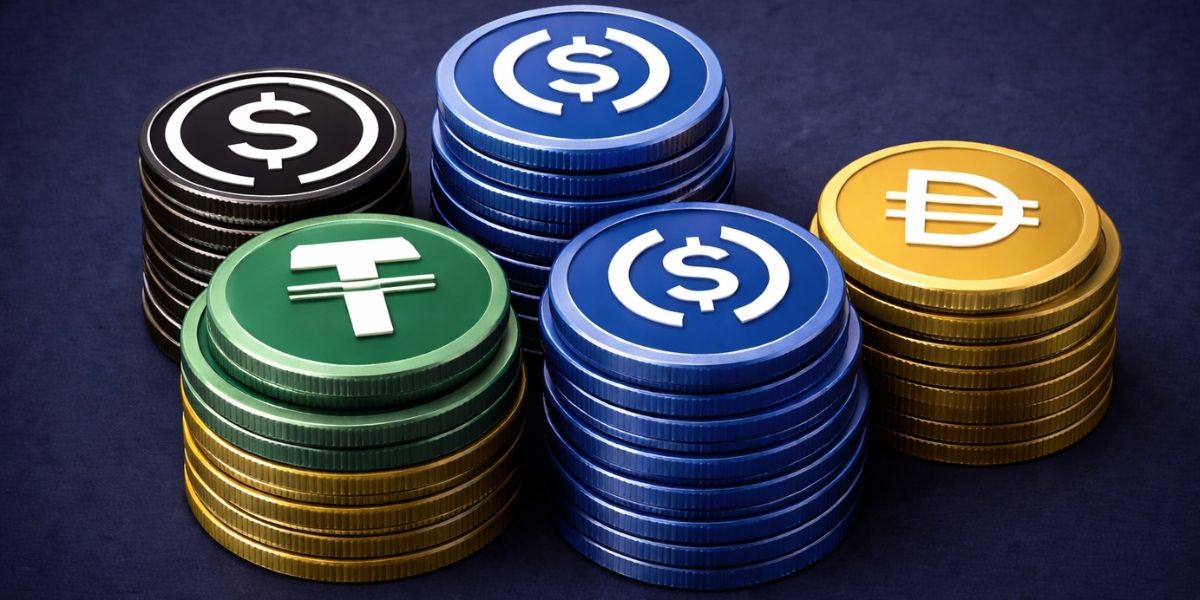
Most stablecoin content is written for people who want to hold or trade. This one's for people who want to spend. If you've got USDT, USDC, or another digital dollar sitting in a wallet and you're wondering what you can actually do with it and which one to use, you're in the right place.
The short answer: for most everyday spending, USDT and USDC are the two worth caring about. Which one is better depends on where you are, what you're buying, and how much you care about fees. We'll get into all of that.
What makes a stablecoin good for spending?
Not all stablecoins are built for the same thing. Most are optimized for trading or DeFi; deep liquidity, fast settlement, yield. Spending is a different requirement, and the criteria that matter are:
Acceptance. Can you actually use it somewhere? A stablecoin with great fundamentals but limited merchant support is useless for everyday purchases.
Transaction fees. Network fees vary wildly depending on the blockchain. A $1 fee on a $10 gift card purchase wipes out the point. This is where network choice matters more than the stablecoin itself.
Peg reliability. A stablecoin that drifts from $1 is not a stablecoin you want to spend. The major USD-pegged coins (USDT and USDC) have maintained their peg well through sustained market pressure. Smaller or algorithmic alternatives carry more risk.
KYC requirements. Many platforms that accept stablecoins require identity verification before you can use them. If you want to spend without handing over documents, that narrows your options quickly.
Availability. This sounds obvious, but it matters: can you get the stablecoin you need, on the network you need it on, without paying a fortune to move it there?
USDT vs USDC for spending
These are the two dominant stablecoins, together they account for more than 80% of the stablecoin market. For spending purposes, here's what you actually need to know about each.
USDT (Tether)
USDT is the most widely held and traded stablecoin in the world, with a market cap that puts it behind only Bitcoin and Ethereum across all of crypto. It's been around since 2014, which means it's deeply embedded in exchanges, wallets, and payment platforms globally.
For spending, the most important thing about USDT is its availability on Tron (TRC-20). Tron transactions are fast and cheap, often a fraction of a cent, which makes USDT on Tron the practical choice for anyone doing frequent, smaller purchases. If you're in Asia, Latin America, or Eastern Europe, USDT is also likely the stablecoin your platform of choice supports first.
The caveat: Tether has faced scrutiny over its reserve transparency. It publishes quarterly attestations rather than monthly audits, and its reserve composition is more varied than USDC's. For most spending use cases this doesn't matter, the peg has held, but it's worth knowing.
USDC (USD Coin)
USDC launched in 2018 through Circle and has built its reputation on transparency and regulatory compliance. Reserves are held in cash and short-term US Treasuries, with monthly attestations verified by a major independent auditor. It's the stablecoin of choice for institutions, fin-techs, and anyone operating in regulated markets.
For spending, USDC's strength is its integration with payment infrastructure. It's MiCA-compliant in Europe, which means more platforms in the EU are prioritizing it as regulations tighten. On Solana and Polygon, USDC fees are also very low, competitive with USDT on Tron.
The caveat: USDC's adoption is more concentrated in North America and Europe. If you're elsewhere, USDT may simply be easier to acquire and move.
For most people spending on everyday purchases like gift cards, subscriptions, and mobile top ups, either works. USDT is likely already in your wallet. USDC is the stronger choice if you're in Europe or care about the audit trail.
What can you actually buy with stablecoins?
This is the part most stablecoin guides skip. Having USDT is one thing. Knowing where to spend it is another.
On Cryptorefills, you can spend USDT, USDC and other crypto across thousands of brands; no bank account, no credit card, no KYC required. Here's what's available:
Gift cards. Hundreds of brands across retail, entertainment, gaming and more. Buy an Amazon gift card with USDT, a Steam wallet top up with USDC, a Netflix credit with whatever stablecoin you're holding. The redemption is instant, and the value doesn't fluctuate between purchase and use.
Mobile top ups. Top up a phone number in over 150 countries directly from your wallet. USDT on Tron is particularly well-suited here, the fees are low enough that small top ups still make sense.
Streaming subscriptions. Spotify, Netflix, YouTube Premium and more. Pay for the subscription credit with stablecoins, redeem it on the platform. No subscription linked to a bank card.
Gaming. Steam, PlayStation Store, Xbox, Roblox, and dozens more. Spending stablecoins on gaming is one of the cleanest use cases. Gaming credits are digital, instant, and globally recognized.
Flights and stays. Cryptorefills also covers travel like flights and stays bookable with crypto, including stablecoins.
The common thread: all of these work with stablecoins precisely because the value is stable. You know what you're spending. There's no moment of hesitation about whether the price moved between when you decided to buy and when you confirmed.
Spending stablecoins on Cryptorefills no KYC
Most platforms that accept stablecoins still require you to verify your identity before you can do much with them. Cryptorefills doesn't. You open Cryptorefills, pick what you want, pay with USDT, USDC or another supported coin, and get your code instantly. No account required, no documents, no waiting.
This matters more than it might sound. The whole point of stablecoins is that they move quickly and don't require intermediaries. A platform that adds KYC on top of that defeats part of the purpose.
How to spend stablecoins on Cryptorefills:
- Open Cryptorefills and browse brands
- Pick the product: gift card, top up, subscription credit
- Select USDT, USDC or your preferred coin at checkout
- Send the payment from your wallet
- Get your code instantly
Which stablecoin should you use?
If you already hold USDT and want to spend it now, use USDT. It's accepted, the peg is solid, and on Tron the fees are minimal.
If you're acquiring a stablecoin specifically for spending and you're in the EU or a regulated market, USDC is the cleaner choice. Better audit trail, MiCA-compliant, increasingly accepted.
If you're doing high-frequency small purchases, USDT on Tron or USDC on Solana. Both keep fees low enough that it doesn't eat into the value of what you're buying.
The stablecoin question matters less than it used to. The more important question is: does the platform you're using actually let you spend it? On Cryptorefills, both USDT and USDC work and you don't need to verify anything to do it.